

Full Home Renovation: Top 3 Must-Know Secrets 2025
Full home renovation is a transformative journey where a house is revamped from top to bottom, enhancing both its functionality and aesthetics. For those contemplating such a significant project, understanding the fundamental process can alleviate much of the uncertainty. Here’s a quick overview to start:
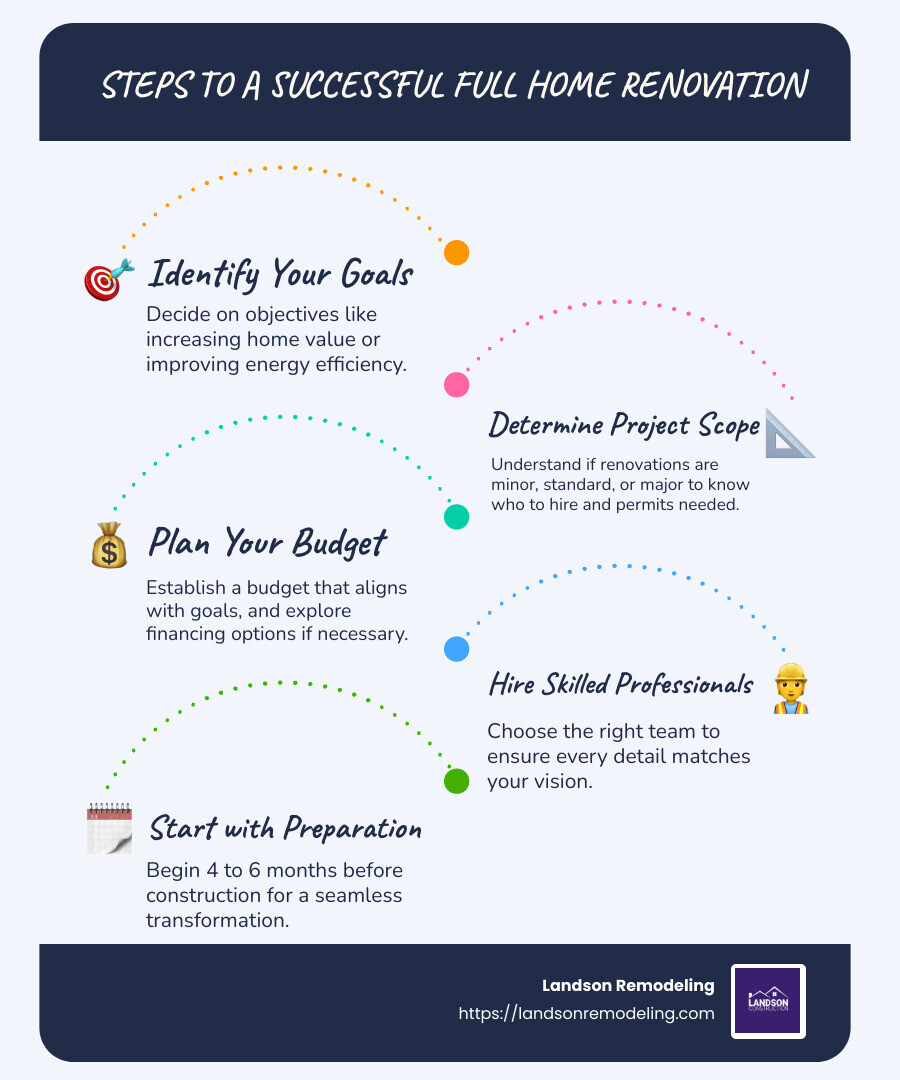
- Identify Your Goals: Decide what you want to achieve. Is it increasing home value, improving energy efficiency, or adapting to lifestyle changes?
- Determine the Project Scope: Understand whether your renovation will be minor, standard, or major. This affects who you need to hire and the permits required.
- Plan Your Budget: Establish a budget that aligns with your goals and explore financing options if necessary.
Starting on a full home renovation is not just about a fresh coat of paint or new tiles; it’s an opportunity to reshuffle layouts, improve comfort, and lift your property’s value. Proper planning is your best friend in this endeavor. Starting 4 to 6 months before construction can set the stage for a seamless change. As Emily in Minnesota seeks, a modern kitchen and bath are more than updates—they are investments in convenience and joy.
Significant renovations often require skilled professionals. Choosing the right team ensures every detail matches your vision, particularly important for homeowners like Emily, who desires personalized service and reliable contractors.
Begin your renovation with clarity and preparation, and what might initially seem daunting turns into a rewarding trip—a chance to breathe new life into your home.
Full home renovation terms made easy:
– average cost of full kitchen renovation
– bathroom full renovation
– full bathroom remodel contractors
Understanding Full Home Renovation
A full home renovation is a comprehensive overhaul of your living space, changing everything from the structure to the aesthetics. This process is more than just a facelift; it involves reimagining the entire home to better suit your needs and style.
Structural Changes
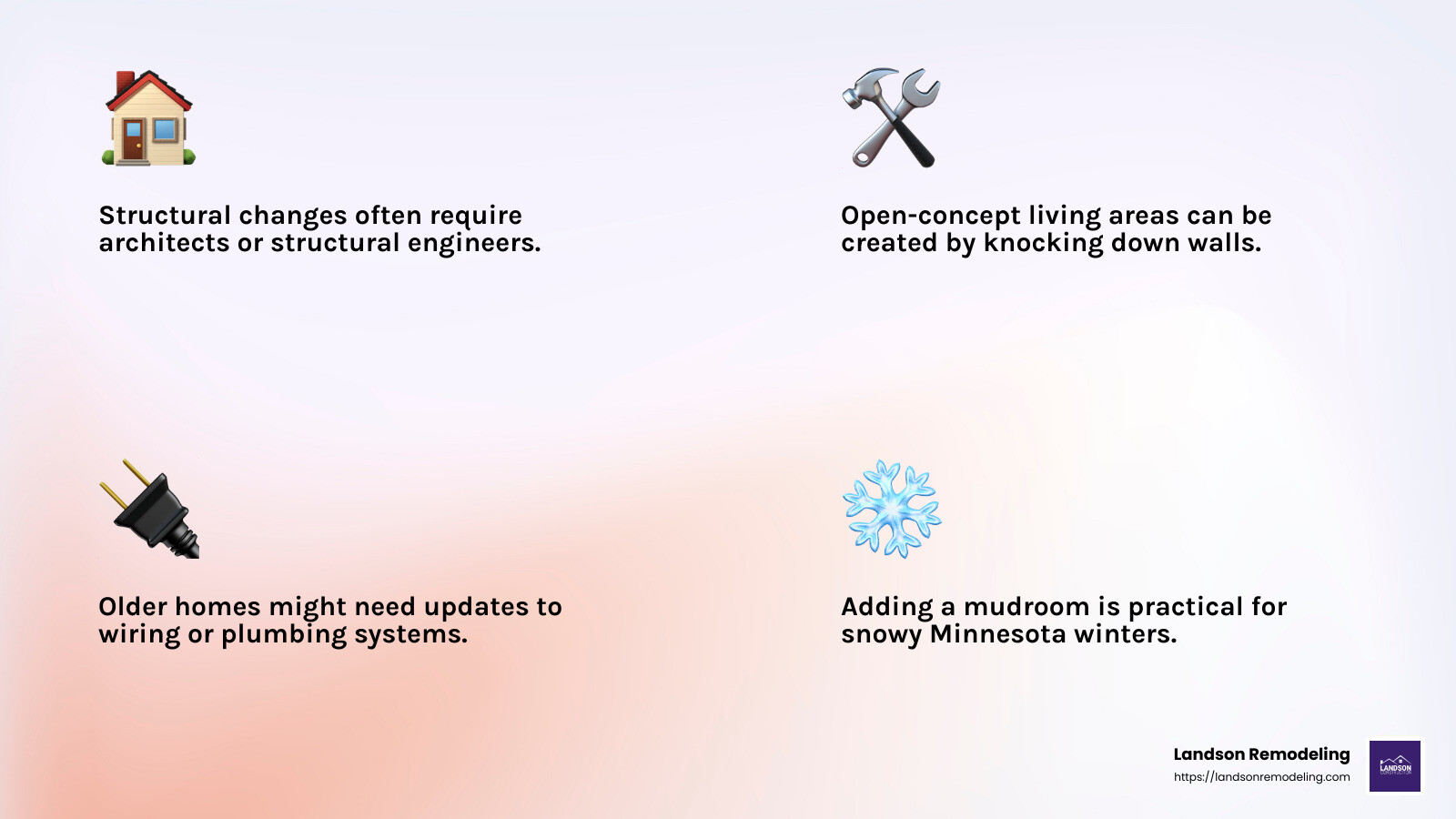
One of the biggest aspects of a full home renovation is making structural changes. This could mean knocking down walls to create an open-concept living area or adding a new room to accommodate a growing family. In Minnesota, where older homes are common, structural updates might also involve replacing outdated wiring or plumbing systems to meet modern standards.
Major renovations often require professionals like architects or structural engineers. As noted, “Major renovations almost always require at least one of these professionals.”
Layout
Reconfiguring the layout of your home can significantly improve its functionality. Whether you want a more open floor plan or need to create distinct zones for work and play, layout changes can make your home more livable. For example, adding a mudroom in a Minnesota home can be a practical improvement, especially during snowy winters.
Aesthetics
Aesthetic updates are the visual changes that breathe new life into a home. This can include everything from new paint colors to updated flooring and fixtures. In a full home renovation, aesthetics play a crucial role in expressing your personal style and increasing your home’s curb appeal.
Consider trends like sustainable materials and energy-efficient designs, which are becoming popular in the Minnesota area. These not only improve the look of your home but also contribute to energy savings.
The Bigger Picture
When planning a full home renovation, it’s important to see the bigger picture. This means balancing structural changes, layout adjustments, and aesthetic upgrades to create a cohesive and functional home. As noted, “It’s highly recommended that you live in your home before renovating,” to fully understand how you use the space and what changes will make the most impact.
With careful planning and the right team, a full home renovation can transform your house into a dream home, custom to your lifestyle and taste. As we dig into the planning phase, understanding your needs and setting clear goals is the foundation of a successful renovation.
Planning Your Full Home Renovation
Starting on a full home renovation is an exciting endeavor, but it requires careful planning to ensure success. Let’s break down the essential steps, from budgeting to securing necessary permits.
Budgeting and Funding
Creating a solid budget is the cornerstone of any renovation project. Start by identifying your financial limits and exploring various funding options:
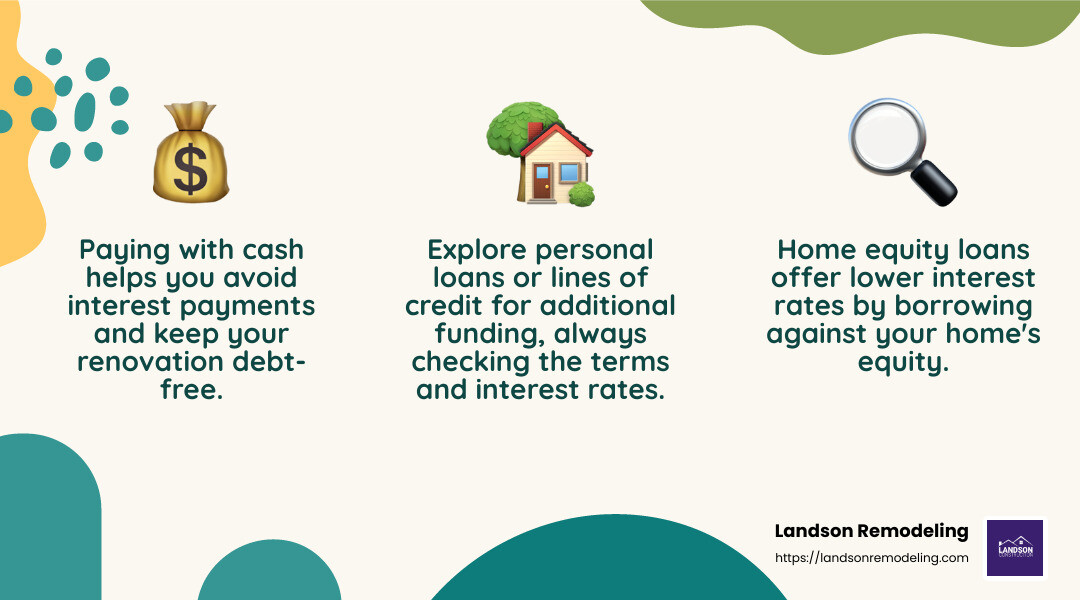
- Cash: Paying with cash can help you avoid interest payments and keep your renovation debt-free.
- Home Equity Loans: These loans allow you to borrow against the equity in your home, often at lower interest rates than other loans.
- Financing Options: Consider personal loans or lines of credit if you need additional funding. Always assess the terms and interest rates to choose the best option for your situation.
Design and Contractor Selection
Your design goals should reflect both functionality and personal style. Begin by gathering inspiration from design trends that appeal to you. Popular trends include:
- Minimalist Designs: Featuring clean lines and neutral tones.
- Smart Technology: Integrating devices like smart mirrors and voice-activated lighting.
- Natural Elements: Incorporating wood and stone for a serene ambiance.
Next, selecting the right contractor is crucial. Look for recommendations and reviews to find a contractor with a solid reputation. Effective communication is key. Ensure your contractor understands your vision and can provide clear timelines and cost estimates.
Permits and Zoning
Before any construction begins, you’ll need to secure the necessary permits. These ensure your renovation complies with local building codes. Permit requirements vary by location and project scope, so check with your local building authority for specifics.
- Permit Requirements: Major structural changes, like adding rooms or altering load-bearing walls, typically require permits.
- Zoning Laws: Understand any zoning restrictions that may affect your renovation, especially if you’re planning an extension.
- Timeline Considerations: Securing permits can take time, so factor this into your renovation schedule. It’s recommended to start this process 4 to 6 months before construction begins to avoid delays.
By carefully planning your budget, selecting the right design and contractor, and understanding permit requirements, you’re setting a strong foundation for your full home renovation. These steps will help ensure that your project runs smoothly and meets your expectations.
Steps in Full Home Renovation
Once your planning is in place, it’s time to dive into the exciting change journey of a full home renovation. Here’s a step-by-step guide to the process:
Demolition and Rebuilding
Demolition
The first major step in any renovation is demolition. This is where the old makes way for the new. Depending on your renovation scope, demolition can be as simple as removing old furniture or as complex as a full gut, where everything but the structural elements and exterior walls are torn out.
- Safety First: Ensure the area is safe for demolition. Clear out personal items and secure any areas that will remain intact.
- Waste Management: Have a plan for disposing of debris. Renting a dumpster can be an efficient solution.
Rebuilding
Once demolition is complete, the rebuilding phase begins. This involves framing new walls and making any structural changes needed to support your new layout.
- Framing: This step defines the new layout of your home. It involves constructing the skeleton for new walls, rooms, or extensions.
- Structural Elements: Ensure that any changes to load-bearing walls or other structural components are handled by professionals to maintain the integrity of your home.
Mechanical Systems
With the new structure in place, it’s time to focus on the essential systems that make your home functional and comfortable.
Plumbing, Electrical, and HVAC
These systems are often installed concurrently and are crucial for a fully operational home.
- Plumbing: Update or relocate plumbing as needed, especially if you’re adding new bathrooms or a kitchen.
- Electrical: Consider rewiring to support new lighting, outlets, and smart home features.
- HVAC: Upgrade or adjust your heating, ventilation, and air conditioning systems to meet the demands of your renovated space.
Finishing Touches
Now for the part where your vision truly comes to life: the finishing touches.
Drywall and Flooring
- Drywall: Once the mechanical systems are in place, walls are closed up with drywall. This step smooths out the interior surfaces and prepares them for painting.
- Flooring: Choose durable, stylish flooring that suits each room’s function, whether it’s hardwood, tile, or carpet.
Cabinets and Appliances
- Cabinets: Install cabinetry in kitchens and bathrooms for both storage and style. Custom cabinetry can add a personal touch.
- Appliances: Select energy-efficient appliances to improve functionality and reduce long-term energy costs.
By following these steps, you’ll transform your home into a space that reflects your style and meets your needs. Next, we’ll explore the costs involved in a full home renovation and how to manage your budget effectively.
Cost Considerations
When planning a full home renovation, understanding the costs involved is crucial. Here’s a breakdown of average costs, room-specific expenses, and tips to save money.
Average Costs
The total cost of a full home renovation can vary widely based on factors like home size, location, and the extent of the changes. On average, homeowners might spend anywhere from $100,000 to $200,000 for a comprehensive renovation. However, in high-cost areas, like major cities, this number can be significantly higher.
Room-Specific Costs
- Kitchen Renovation
- Average Cost: $20,000 to $50,000
-
Key Factors: Cabinets, countertops, appliances, and flooring.
-
Bathroom Renovation
- Average Cost: $10,000 to $30,000
-
Key Factors: Plumbing, tiles, fixtures, and vanities.
-
Living Room and Bedrooms
- Average Cost: $5,000 to $15,000 per room
-
Key Factors: Flooring, paint, and lighting.
-
Basement and Attic Conversions
- Average Cost: $15,000 to $50,000
- Key Factors: Insulation, flooring, and additional plumbing/electrical work.
Cost-Saving Tips
-
Plan and Budget Wisely: Start with a clear budget and stick to it. Allocate funds for unexpected expenses, which are common in renovations.
-
DIY Where Possible: While professionals should handle structural and complex tasks, painting or simple demolitions can be done yourself to cut costs.
-
Choose Materials Wisely: Opt for cost-effective materials that offer durability without breaking the bank. For example, laminate can mimic hardwood at a fraction of the cost.
-
Leverage Technology: Use construction management software to streamline planning and reduce errors, saving time and money.
-
Strategic Partnerships: Partner with suppliers for better deals on materials. Bulk purchasing or negotiating discounts can significantly lower costs.
Understanding these cost considerations will help you manage your renovation budget effectively, ensuring you get the most value from your investment. Up next, we’ll tackle some frequently asked questions about full home renovations to clear up any lingering doubts.
Frequently Asked Questions about Full Home Renovation
What does a full home renovation include?
A full home renovation involves comprehensive updates and changes to your entire house. This can include:
- Structural Changes: Altering walls, floors, or ceilings to open up spaces or improve layout.
- Mechanical Systems: Updating plumbing, electrical, and HVAC systems for better efficiency and safety.
- Cosmetic Updates: Replacing flooring, painting walls, and installing new fixtures and finishes.
- Kitchen and Bathroom Overhauls: Upgrading appliances, countertops, cabinets, and plumbing fixtures.
- Exterior Improvements: Replacing siding, roofing, and windows to improve curb appeal and energy efficiency.
Each renovation is unique, custom to the homeowner’s needs and the existing condition of the home.
How much does a full house renovation cost?
The cost of a full house renovation varies widely. On average, you might expect to spend between $100,000 to $200,000. Here’s a quick look at room-specific costs:
- Kitchen: $20,000 to $50,000
- Bathroom: $10,000 to $30,000
- Living Room and Bedrooms: $5,000 to $15,000 per room
- Basement and Attic Conversions: $15,000 to $50,000
Factors like home size, location, and the extent of changes will influence the total cost. High-cost areas, such as major cities, may see higher renovation expenses.
Is a full house renovation worth it?
Whether a full house renovation is worth it depends on your goals and circumstances. Here are some points to consider:
- Increased Home Value: Renovations can significantly boost your home’s market value. Projects like kitchen and bathroom updates often yield the highest return on investment.
- Improved Comfort and Efficiency: Upgrading mechanical systems and improving layout can make your home more comfortable and energy-efficient.
- Personalization: A renovation allows you to tailor your living space to your lifestyle and preferences.
- Long-term Investment: If you plan to stay in your home for many years, the benefits often outweigh the costs. However, if you’re looking to sell soon, it’s essential to weigh potential value increases against the investment.
A full home renovation can be a wise investment, especially if it aligns with your long-term living plans and financial situation. Next, we’ll dig into the conclusion, focusing on how Landson Remodeling can help you achieve your dream home design.
Conclusion
At Landson Remodeling, we understand that a full home renovation is not just about changing your space; it’s about realizing the dream of a home that truly reflects your style and needs. Our commitment to personalized support ensures that your renovation journey is as smooth and stress-free as possible.
Personalized Support
From the initial consultation to the final reveal, we are with you every step of the way. Our team of experts listens to your ideas, understands your vision, and offers professional guidance to bring your dream designs to life. With our 3D design services, you can visualize the change before it even begins, making sure every detail is perfect.
Achieving Dream Designs
Whether you’re looking to modernize your kitchen, create a spa-like bathroom retreat, or completely overhaul your home’s layout, we have the skills and experience to make it happen. Our approach is custom to each project, ensuring that your renovation is unique and fits your lifestyle. We use high-quality materials and craftsmanship to deliver results that not only meet but exceed your expectations.
At Landson Remodeling, we take pride in turning your renovation dreams into reality. With locations across Minnesota, including Elk River, St. Paul, and Duluth, we are ready to help you start your renovation journey. Let’s create a home you’ll love for years to come.
For more information on how we can help with your full home renovation, reach out to us. Your dream home is just a renovation away!


